The Insurance Revolution: How AI and IoT are Shifting the Industry from Reactive Claims to Proactive Prevention

For centuries, the insurance industry has operated on a foundational, albeit static, model: the consumer pays an annual premium, and the insurer provides a financial safety net to be triggered only if a disaster occurs. This retroactive approach has long defined the relationship between policyholder and provider, characterized by a "set and forget" mentality. However, a significant transformation is currently underway. Driven by the convergence of Artificial Intelligence (AI), the Internet of Things (IoT), and advanced sensor technology, the sector is pivoting toward a "prevention-first" paradigm. This shift, collectively referred to as InsurTech, is fundamentally altering how risk is assessed, how claims are managed, and how homeowners engage with their own property protection.
The Evolution of the Insurance Landscape
The historical stagnation of the insurance sector stands in stark contrast to the rapid digitalization seen in banking and retail. While these sectors integrated customer-centric technology decades ago, insurance remained largely insulated by legacy systems and a lack of real-time data. The traditional model relied on actuarial tables and broad demographic statistics to calculate risk, which were often blunt instruments for modern life.

The catalyst for this change is the proliferation of smart devices. From water leak detectors to surge protectors and AI-driven predictive analytics, these tools provide insurers with granular, real-time insights into a policyholder’s risk profile. By moving from a model of "something went wrong, here is a cheque" to "technology stopped it from going wrong in the first place," the industry is attempting to reduce the frequency and severity of claims, thereby lowering costs for both the consumer and the provider.
Market Growth and Economic Impact
The economic scale of this shift is substantial. According to the Allianz Global Insurance Report, the global insurance market is currently valued at approximately €6.9 trillion (roughly £5.9 trillion). Within this massive ecosystem, the InsurTech segment is expanding at an accelerated rate. Market analysis from Mordor Intelligence estimates the current value of the global InsurTech sector at approximately $1.34 trillion (£1.01 trillion), with projections indicating growth to $2.44 trillion (£1.85 trillion) by 2031.
The United Kingdom has emerged as a primary hub for this expansion. With a national industry size of $53.53 billion (£40.48 billion), the UK is at the forefront of implementing AI-driven claims automation, IoT telemetry, and digital underwriting tools. The rapid adoption of these technologies in the UK is largely due to a regulatory environment that encourages innovation in financial services, providing a blueprint for other international markets.

Drawing Parallels: The Motor Insurance Precedent
To understand the trajectory of home and property insurance, one must look to the evolution of motor insurance. The introduction of telematics—or "black box" technology—revolutionized the sector. By monitoring variables such as speed, braking intensity, and cornering habits, insurers moved away from blunt demographic assumptions toward dynamic, risk-based pricing. This change incentivized safer driving habits, as motorists could directly influence their premiums through their behavior.
This "dynamic pricing" model is now the goal for property insurance. Scott Thomson, Insurance Client Partner at NTT Data, highlights that the challenge for the industry has never been a lack of data, but rather a lack of utility. "The problem is that the way insurers manage claims is very reactive," Thomson explains. By leveraging real-time IoT data, insurers can implement AI-driven triage systems that identify potential failures before they escalate into catastrophic events. This not only slashes operational expenses (OpEX) but also drastically reduces the indemnity spend associated with physical damage repairs.
The Problem of Water Damage
Among property-related risks, water damage remains the most significant, non-catastrophic threat to homeowners and insurers alike. According to Paul Vacquier, CEO of Beagle Services, water damage accounts for approximately $14.5 billion in annual claims in the United States alone. Unlike fires or burglaries, which are often dramatic, singular events, water damage is frequently the result of a slow, creeping failure of infrastructure behind walls or beneath flooring.
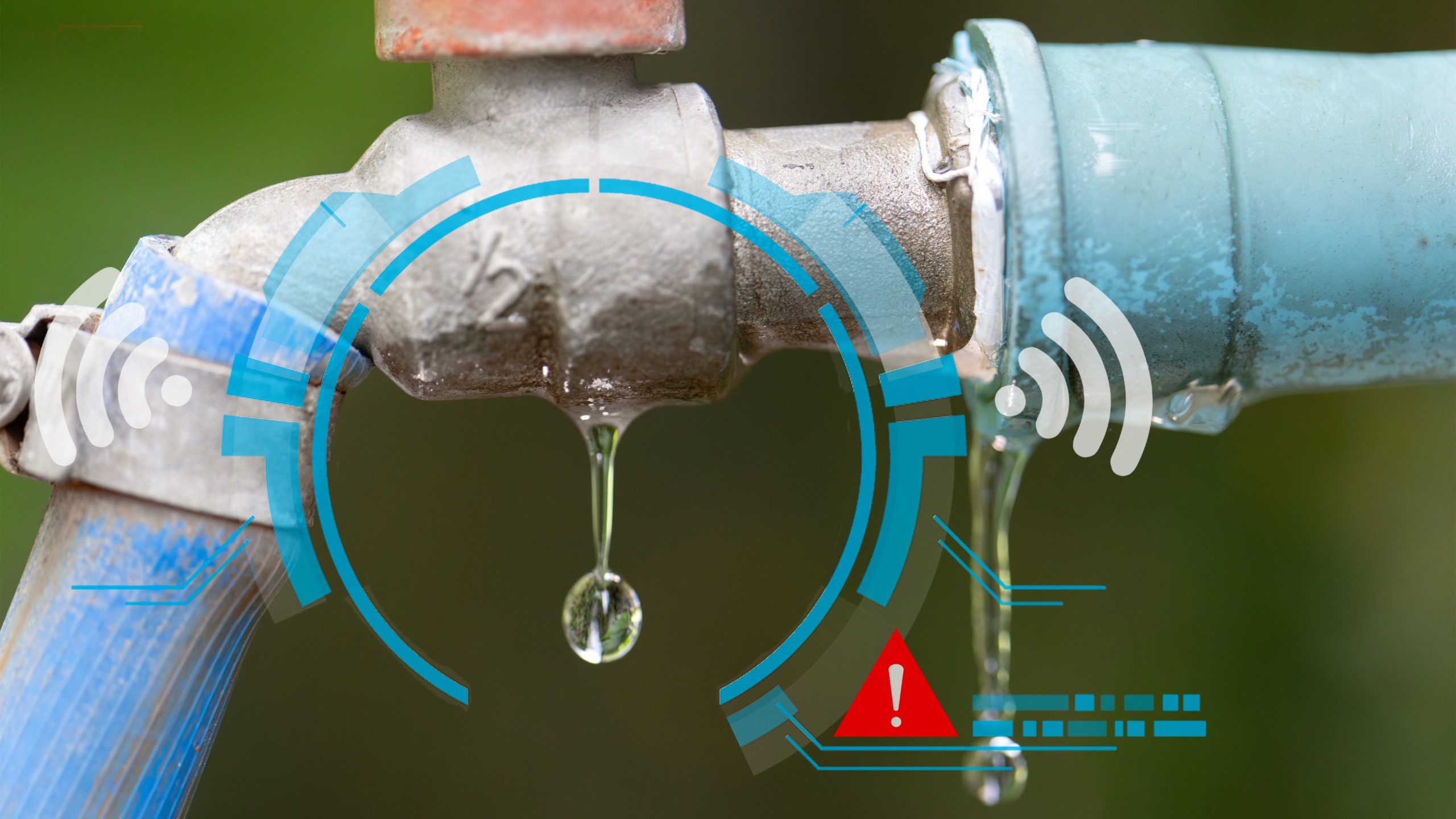
The industry is responding with sophisticated, non-invasive detection technology. Devices such as the LeakBot, developed in the UK by HomeServe Labs and currently owned by Ondo InsurTech plc, represent the new wave of proactive hardware. These sensors clip onto existing pipes to detect micro-leaks—flows as small as 5ml per minute—and monitor sudden temperature fluctuations. Several major insurers, including LV and Hiscox in the UK and Westfield in the US, have begun providing these devices to policyholders as a value-added service to mitigate risks before they result in structural flooding.
For more severe risks, the industry is increasingly mandating the use of automated water shut-off valves. These devices, installed at the main water supply line, can automatically cut off water flow when abnormal pressure or usage patterns are detected. This is particularly vital for landlords, holiday home owners, and those with vacant properties, where a slow leak can cause tens of thousands of dollars in damage over several weeks.
Beyond Plumbing: Smart Security and Electrical Safety
While water damage is the primary focus, the "prevention-first" approach is expanding into other areas of home management. Sky Protect Home Insurance, which launched in the UK in 2023, is a prime example of the bundled approach. By integrating video doorbells, motion sensors, and indoor cameras into a unified platform underwritten by Zurich, the service allows for real-time monitoring of security breaches. This creates a cohesive safety net where the consumer is alerted to issues—such as an open window or a detected intruder—via a smartphone app, potentially preventing a claim from ever being filed.

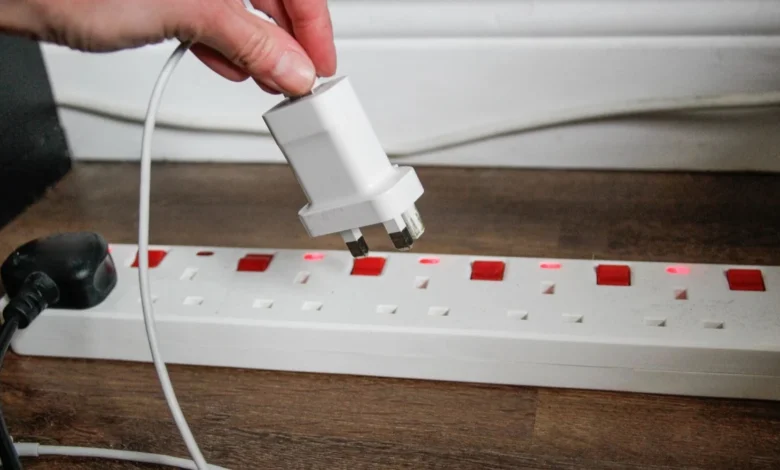
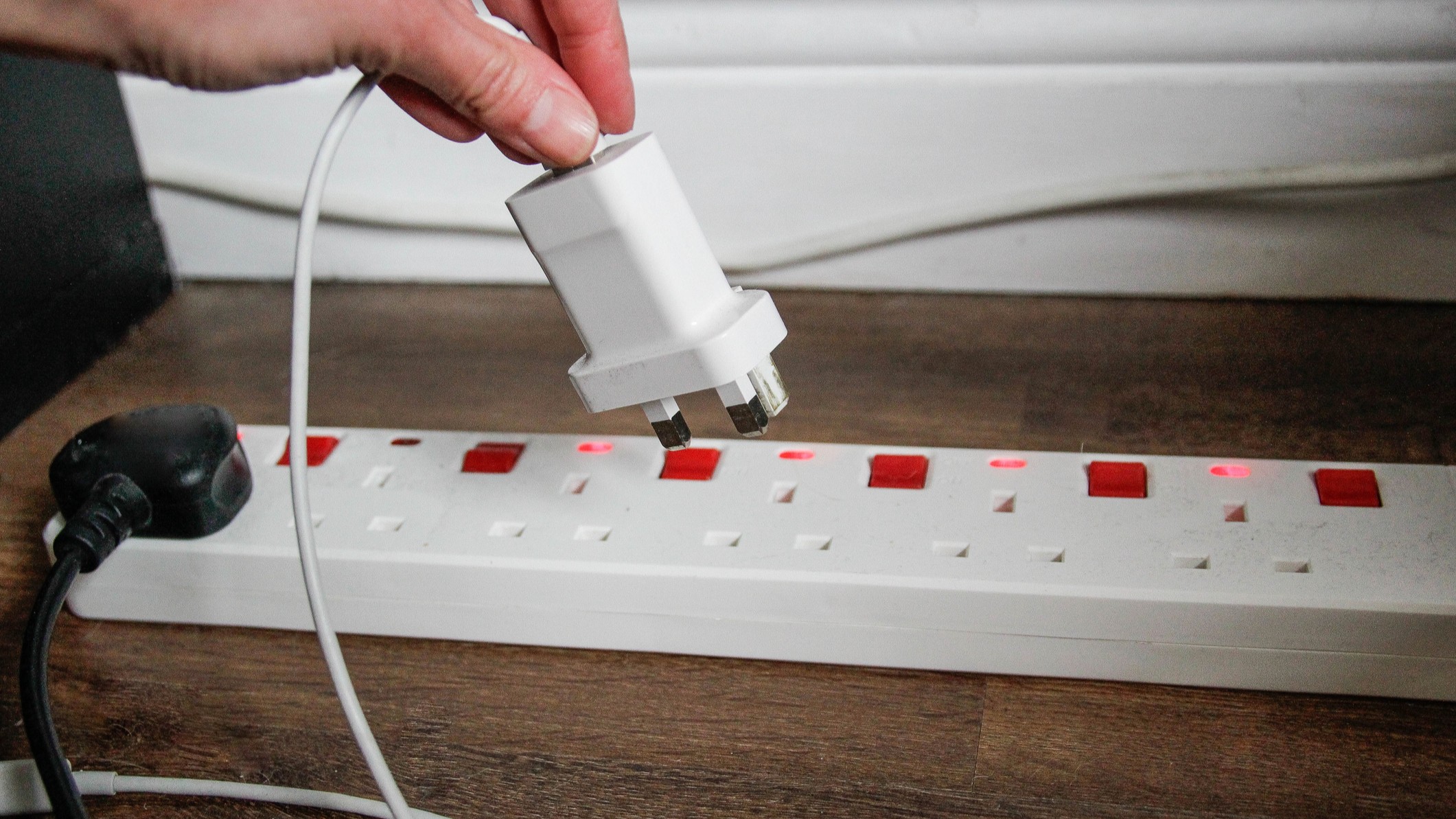
Furthermore, electrical safety is gaining traction as a critical area for mitigation. Transient overvoltages, or power surges caused by grid switching or lightning, are a major cause of electronic failure and fire. While plug-in surge protectors are common, they are limited in scope. Industry experts like Peter Kravchuk of New Day Construction advocate for whole-home Surge Protective Devices (SPDs) installed at the electrical panel. These devices provide a systemic barrier, diverting excess current safely into the grounding system and protecting all downstream electronics.
The Role of Incentivization
A critical component of this transition is how insurers incentivize the adoption of this technology. Companies like X-Sense, which produces smart smoke and carbon monoxide detectors, provide monitoring certificates that policyholders can submit to their insurers. In many cases, this can qualify the homeowner for discounts of up to 15% on their premiums. This financial reward loop is essential for driving consumer adoption, as it aligns the interests of the insurer (lower risk) with the interests of the homeowner (lower costs and increased peace of mind).
Challenges: Cybersecurity and Data Privacy
Despite the clear benefits, the shift toward a data-heavy, interconnected home environment brings new risks. As Taimur Ijlal, an Information Security Leader at Proxy Coupons, points out, every connected sensor or camera acts as a potential "attack surface" for cybercriminals. The more data that flows from a home to an insurer’s cloud, the greater the potential for data breaches.
This concern is not theoretical. A recent security incident involving the Irish InsurTech firm Companjon, where millions of records were exposed due to an unsecured data stream, highlights the vulnerability of backend B2B data pipelines. For the InsurTech revolution to succeed, it must be accompanied by robust data governance. Experts advise consumers to scrutinize the security protocols of their insurance providers:
- Who owns the device data and how long is it retained?
- What is the manufacturer’s policy regarding security patches?
- What happens to coverage if a smart device is disconnected or suffers a hardware failure?
Conclusion: The Future of the Home
The trajectory of the insurance industry is clear: the era of reactive, paper-based, and passive insurance is fading. The integration of IoT, AI, and smart hardware is enabling a future where homes are actively protected against their most common threats. While data privacy and cybersecurity hurdles remain, the economic and practical advantages of a proactive, technology-driven model are difficult to ignore. As insurers continue to refine these tools, the policyholder of the future will likely view their insurance company less as a vendor of last resort and more as a partner in the ongoing preservation and maintenance of their home. This transition represents a fundamental advancement in domestic safety, promising to turn the unpredictability of property risk into a managed, mitigated experience.